


In the world of logistics, the terms “shipping” and “delivery” are often used interchangeably, but they refer to distinct stages in the process of moving goods. Understanding this difference is essential to optimizing your operations, improving customer satisfaction and reducing your costs. In this article, we’ll explain exactly what these two terms mean, and how managing them effectively can transform your business.
What is shipping? A strategic step in your supply chain

Shipping is the act of sending goods from point A to point B. This stage encompasses all the activities involved in preparing, packaging and dispatching products from their place of production or storage to a distribution center or carrier.
Expédier une commande ne signifie pas simplement la mettre en route. Cela implique une gestion rigoureuse des stocks, un emballage soigné et le choix d’un transport logistique le plus adapté aux caractéristiques des produits et aux exigences du client. Une bonne gestion des expéditions réduit les risques de pertes ou de détérioration des marchandises et optimise les délais de livraison.
What’s more, shipping represents a transfer of ownership between supplier and customer. Meticulous control of documents (purchase order, picking slip, delivery slip) and efficient coordination with carriers are essential to avoid errors that can impact on customer satisfaction.
Different shipping methods
Companies can choose from various shipping methods depending on the nature of their products, their volume and their budgetary constraints:
- Ground shipping: Ideal for national or regional shipments, it is often more economical but can be slower.
- Air freight: The fastest choice for international shipments, but also the most expensive, reserved for high-value or time-sensitive products.
- Shipment by sea: This is the preferred option for bulky goods and long distances, although lead times are longer.
Choosing the right shipping method is a strategic lever for optimizing costs and meeting deadlines.
Delivery: the final step in satisfying your customers
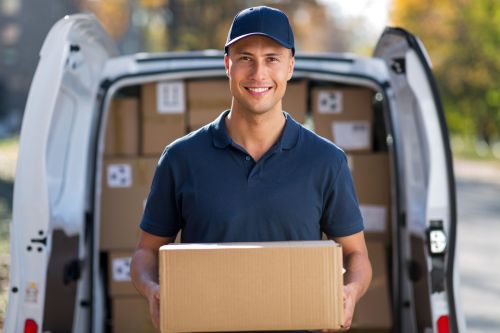
Unlike shipping, delivery is the final stage in the order process. It is the moment when the product arrives in the hands of the customer. Delivery includes all operations required to move goods from the final storage point to the consignee.
Successful delivery is crucial to customer satisfaction. Research shows that 85% of customers do not buy again after a poor delivery experience. A punctual and careful delivery not only contributes to customer loyalty, but also reinforces the company’s brand image.
Types of delivery services
There are several types of delivery services to meet the varied needs of consumers:
- Standard delivery: The most common method, usually within three to five working days. Ideal for non-urgent shipments.
- Livraison le jour même : De plus en plus populaire, surtout pour les commandes locales. Elle nécessite une gestion très réactive des stocks et des incidents transporteurs.
- Home delivery vs. out-of-home delivery: Relay points and lockers are gaining in popularity as they reduce costs and delivery failures.
Shipping vs. delivery: what are the differences?

The distinction between shipment and delivery is based on the sender’s and receiver’s point of view. Shipping mainly concerns the shipper and the operations involved in getting the goods on their way. Delivery focuses on the end-customer experience and the receipt of goods.
En pratique, l’expédition inclut la préparation, l’emballage, le choix du mode de transport mutualisé et l’envoi des produits. La livraison couvre le trajet final jusqu’au client, y compris la gestion des retours et le service après-vente.
These two stages are therefore complementary, and need to be closely coordinated to guarantee an optimal customer experience.
Why is it important to understand this difference?
Understanding these differences can help you identify areas for improvement in your supply chain. Efficient shipping and delivery management can reduce costs, improve lead times and maximize customer satisfaction.
By investing in high-performance management tools like those offered by Iziship, you can better manage your shipments and optimize your deliveries for flawless customer service.
How to optimize your supply chain with efficient shipping and delivery management
Optimizing your supply chain requires a global approach that takes into account all aspects of shipping and delivery:
- Utilisez un logiciel de gestion logistique : Simplifiez le suivi de vos commandes, optimisez vos trajets et réduisez les coûts d’expédition. Consultez nos solutions de gestion logistique sur iziship.co.
- Choose reliable transport partners: Avoid delays and errors by working with trusted carriers.
- Proposez plusieurs options de livraison : Diversifiez vos services (livraison standard, livraison verte le jour même, en point relais) pour répondre aux attentes variées de vos clients.
By adopting these strategies, you can not only reduce your logistics costs, but also improve the customer experience – the key to loyalty and business growth.
Take action with Iziship
By mastering the difference between shipping and delivery, you can turn your logistics into a real competitive advantage. Would you like to optimize your logistics processes, improve customer satisfaction and reduce your costs?
Make an appointment now with our team of experts at Iziship for a free, personalized consultation. Contact us today and find out how our solutions can take your business to the next level.